Responsible AI for Learning That Delivers Results
How organisations move beyond AI hype in learning, create measurable impact, and adopt AI securely, responsibly, and with confidence.


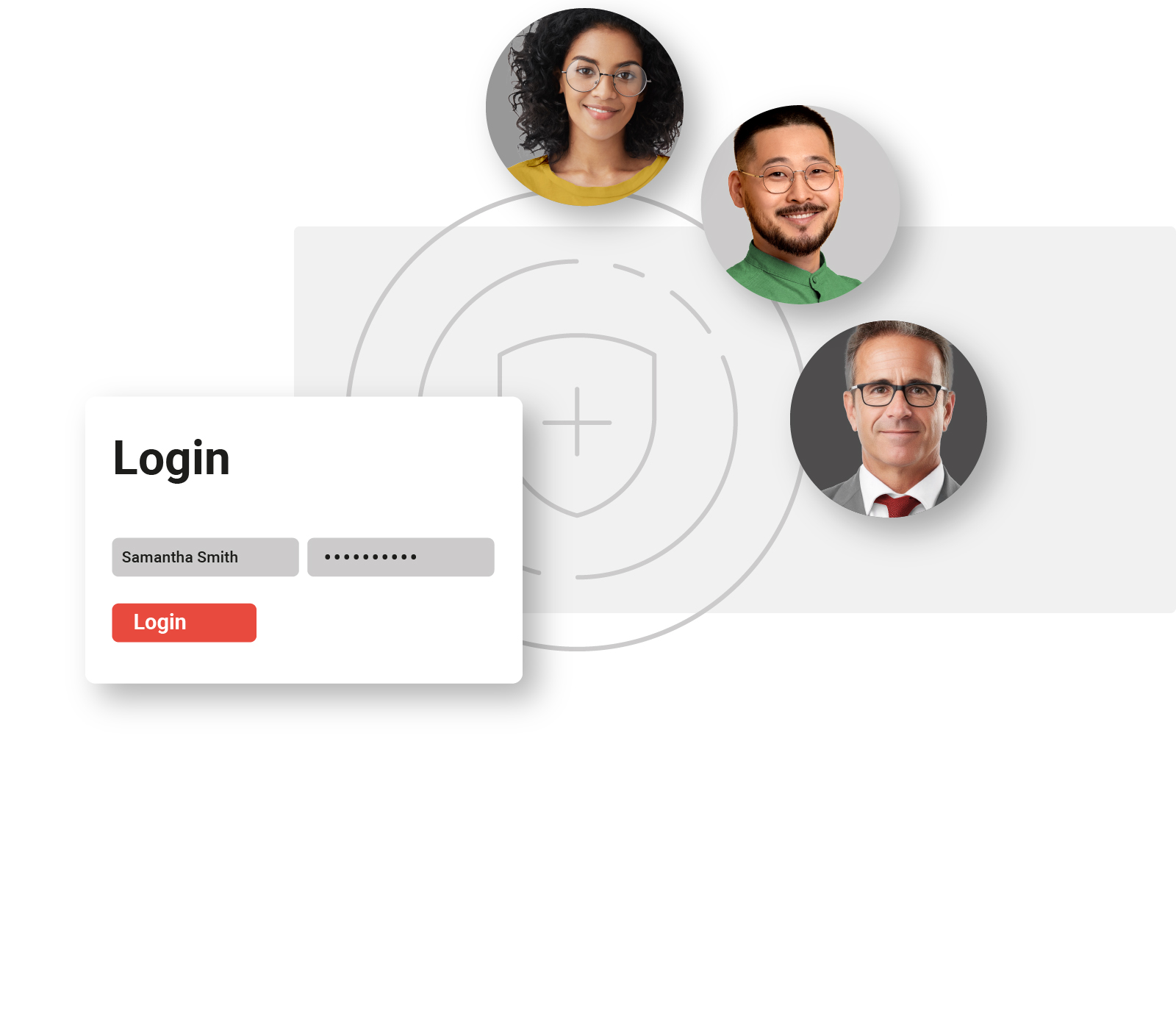
Secure & trusted AI
We prioritise data security, privacy, and compliance aligned with European regulations and enterprise security standards.

Human-centric AI
AI augments L&D professionals, so their oversight ensures quality, relevance, and responsible deployment.

Operational competitiveness
AI helps organisations respond faster to changing market demands by improving efficiency, accelerating processes, and enabling scalable learning.
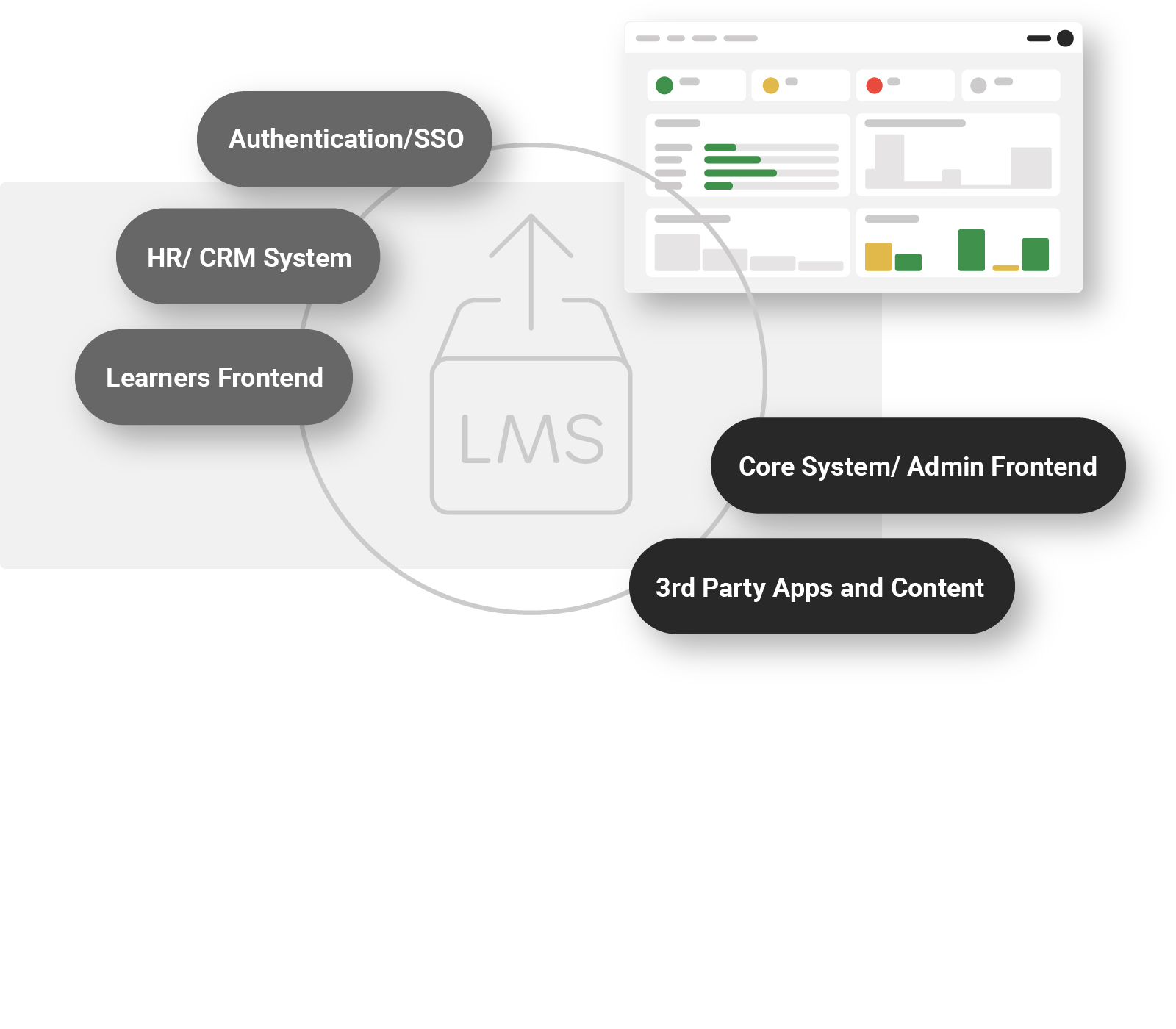
Enterprise-ready architecture
The capabilities of AI are embedded into enterprise learning ecosystems and integrate seamlessly with existing systems, data environments, and workflows.



Recognised by Brandon Hall Group™
Multiple Gold awards for Excellence in Technology, HCM Excellence, and Eminence Partnership. Often called the "Academy Awards of Human Capital Management."
“Scheer IMC is helping define the future of AI-enabled enterprise learning.”
Michael Rochelle
Chief Strategy Officer and Principal Analyst, Brandon Hall Group
4 Areas where AI can impact your L&D strategy
AI is reshaping every dimension of enterprise learning, from how content is created to how entire workflows execute.

Content development
AI used to create, translate, summarise, or enhance learning content.
- - Course generation & localisation
- - Question generation
- - Image generation

Learner experience
AI improving how users interact with the product.
- - Recommendations & search
- - Chatbots & assistants
- - Interactive training

Analytics
AI used for insights and data-driven decisions, mostly based on Machine Learning.
- - Reporting & skill insights
- - Predictive analysis
- - Performance tracking

Workflows
AI agents executing multi-step processes and actions, not just supporting tasks.
- - Automating learning workflows
- - Orchestrating systems
- - Completing end-to-end tasks
AI explained: From chatbots to autonomous agents
Three generations of AI, and why only one can transform your L&D operations.
Chatbot
The simplest type of conversational system. A chatbot responds to user inputs but does not act on its own.
- - Only reacts to what you say
- - No understanding of larger goals
- - No understanding of context
- - Often follows fixed rules or scripts
Assistant
A smart helper that can analyse, think, generate content, and solve problems. The assistant awaits instructions what to do next.
- - Understands complex questions
- - Produces explanations, summaries, creative text, code
- - Helpful but passive: does nothing unless you request it
- - Can't normally execute actions in the real world
Agentic AI
A system that can plan, decide, and take actions to achieve a goal, without you guiding every step.
- - Understands goals, not just questions
- - Breaks tasks into steps and plans independently
- - Uses tools, APIs, websites, software
- - Can check its own work and self-correct
- - Can manage complex, multi-step tasks
- - Can perform real actions
The Scheer IMC AI Architecture
A 3-layer architecture for AI in learning: flexibility without forcing your data to live inside one system.
Headless
Modular service foundation
MCP
Secure unified access layer for all tools and data
Agentic AI
Orchestrates actions, builds processes, extends agents
Hover over each layer to learn more
Headless
The imc Learning Suite separates its back-end from any specific interface. Every capability is API-driven, so learning content and data can be delivered through websites, mobile apps, chatbots, or business tools like Workday and Salesforce. All centrally managed with full analytics.
MCP
MCP (Model Context Protocol) is a governed context layer between your LMS and AI agents. It enforces permission-aware access, so AI can only reach data the user is authorised to see. Every tool call is audit-logged, and redaction, classification, and retention rules are applied centrally.
Agentic AI
The AI Agent Hub orchestrates end-to-end learning workflows. It plans steps, calls tools through MCP, executes actions in the LMS, and self-corrects. Tasks are completed autonomously with human oversight.
Secure. European. Enterprise-grade.
Your data never trains our models. Built for the strictest compliance requirements.
 ISO 27001 Certified
 GDPR Compliant
 EU hosted European data residency
 No model training Your data stays yours
 SOC 2 Independently audited controls
Frequently asked questions around AI in learning and development
AI can help create content faster, personalise learning journeys, identify skill gaps, provide learner support, and generate insights that improve learning effectiveness and business outcomes.
The most mature use cases include content creation, skills intelligence, personalised recommendations, learning assistants, onboarding, compliance training, and learning analytics.
Success should be measured through learning outcomes, skill development, employee performance, productivity gains, and business impact. Not simply through AI adoption or content volume.
Responsible AI requires clear governance, human oversight, data protection, transparency, and compliance with regulations. Organisations should balance innovation with trust and risk management.
L&D teams need to build AI literacy, focus on skills-based learning, align learning with business strategy, and evolve from content providers into strategic enablers of workforce capability.
Agentic AI refers to systems that can plan, decide, and take actions autonomously to achieve a goal. In enterprise learning, agentic AI can orchestrate end-to-end workflows: generating courses, assigning learners, tracking completion, and reporting outcomes, without requiring manual intervention at every step.
An AI-ready platform should offer open APIs, a headless architecture, secure data access layers, enterprise-grade compliance (ISO 27001, SOC 2, GDPR), and the ability to integrate AI agents into existing workflows without replacing your current systems.
Traditional skills tracking relies on manual input and static competency frameworks. AI-powered skills intelligence continuously analyses learner behaviour, content interactions, and performance data to identify emerging skill gaps, recommend targeted learning, and align workforce capabilities with evolving business needs.

"Bring Your Own AI to Work" Is Here

Launch: imc Agent Builder for Bespoke AI Workflows

Discover how AI can enhance your enterprise learning strategy

Why Enterprise AI Needs a Governed Context Layer

Compliance Alone Won’t Make AI Work: Trust Will

What Agentic AI Changes for Learning

Why AI Literacy Is a Learning Challenge, Not an IT One

What L&D Needs to Know About Compliance